The paperwork, labor rules and timing that decide whether booth graphics go up on schedule.
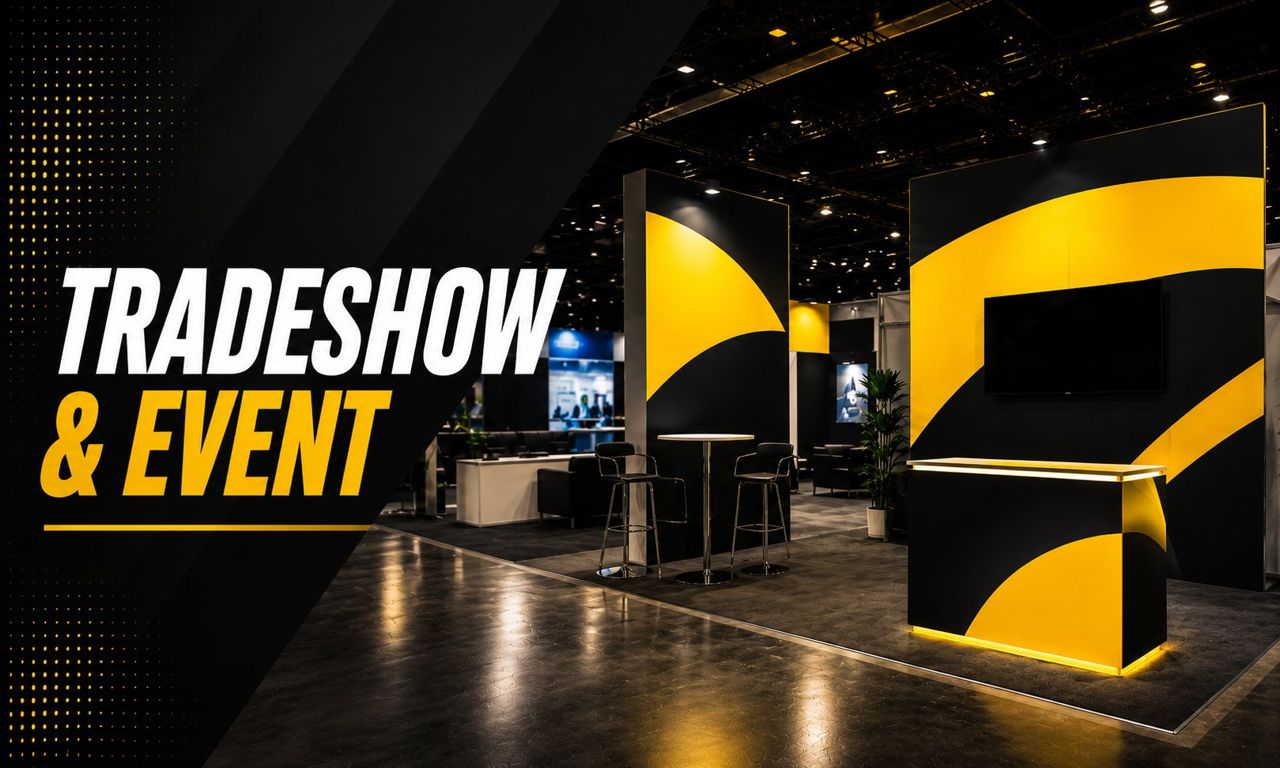
Trade show graphics live or die on paperwork and timing. The booth can be perfect and the panels flawless, but if the exhibitor-appointed contractor form was not filed by the deadline, the installer is not getting on the floor. If freight is still in the marshalling yard when the install window opens, the crew stands around on the clock. This checklist is what we run for exhibitors and agencies before every show, from the Las Vegas Convention Center to the Orange County Convention Center and every union hall in between.
Every show publishes an exhibitor services manual with the rules that matter: which work exhibitors can do themselves, what requires show labor, how outside contractors are admitted, move-in and move-out windows, freight deadlines and height limits. Read it the day it comes out. The deadlines inside it — especially the EAC deadline — are usually weeks before the show and are rarely extended.
If you are bringing your own installer instead of using the show's general contractor, that installer is an exhibitor-appointed contractor. The show needs the EAC notification form and the installer's certificate of insurance, with specific coverage limits and named additional insureds, by the published deadline. Miss it and your installer is locked out, no matter how good the reason.
Convention centers in many cities are union venues, and the rules differ by city and even by hall. In some, exhibitors can install their own graphics in a booth under a certain size, with hand tools and no ladders; in others, any installation beyond unpacking requires union labor, and your installer works alongside or supervises it. Electrical, rigging and hanging signs are nearly always venue labor. Know which category your graphics fall into and budget accordingly.
Advance warehouse shipping is more expensive but puts your crates in the booth before move-in starts. Direct-to-show freight waits in the marshalling yard and is delivered in sequence, which can be hours after your install window opens. For graphics that are installed by a crew on a timed window, advance warehouse is almost always worth it. Label every crate with the booth number and a packing list on the outside.
Move-in windows are tight and shared with the general contractor's crews, electricians and your neighbors' freight. A realistic plan lists who is doing what in what order — flooring, structure, electrical, then graphics — with the graphics install scheduled late enough that the structure is ready and early enough to fix problems. Build in a few hours of slack. Show floors are loud, crowded and run on their own clock.
Inspect every panel under the hall's lighting, not a phone flashlight: seams, bubbles, alignment, edges, the hanging sign from the aisle. Photograph the finished booth from each aisle approach. That photo set is your proof of condition before the show opens and your record for next year.
Move-out is faster and rougher than move-in. Decide in advance which graphics are being saved, how they are packed, and who removes them. Vinyl applied to venue walls or floors must be removed completely; most venues charge for cleanup left behind. Our removal service handles post-show strike where needed.
Wrap It! installs trade show and event graphics in convention cities nationwide, including our home market of Las Vegas. Send the show, the booth number and the install drawing through the quote form and we will line up a crew that knows the hall.
Send the scope and location. We'll match it to certified installers and manage the job through one point of contact.
Request a Quote