We deploy graphics installation nationwide. We don't claim offices in cities where we don't have one — we provide certified local installers and one point of contact, coast to coast.
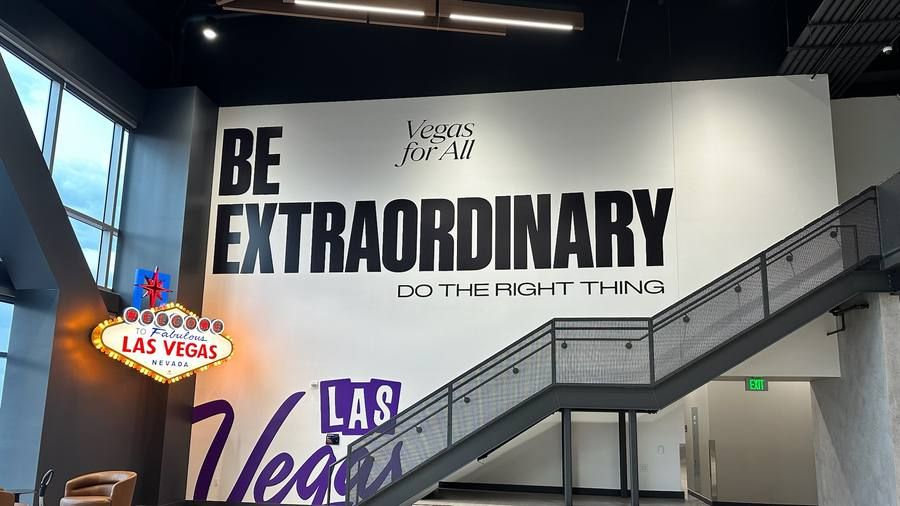
Las Vegas, our headquarters, and 10 other metros have their own pages. 11 more markets are covered right here, one section each. Don't see your city? We still cover it — just ask.
More markets on this page
Wrap It! is headquartered in Las Vegas and installs in all 50 states. Every out-of-town job follows the same routine. You brief one project manager. That person picks installers from our certified network who already work in your metro, checked for insurance and credentials (3M-trained crews included) and chosen for the kind of graphic and the size of the job.
Before anyone shows up we sort out the building side: site access, scheduling, and certificates of insurance when a property or venue requires them. The crew photographs the job before and after, and the work closes with a punch-list sign-off. Standard jobs are usually on the calendar in a few business days; rush work can often start in 24 to 48 hours.
We don't keep offices in these cities. The installers are local; the planning and the accountability stay with us. The sections below cover what is particular to each market: the districts, the venues, where fleets park and the weather that decides the schedule.
The Bay Area is really three markets stitched together by bridges and the 101. San Francisco itself means dense retail in Union Square, the Marina and the Mission, office branding in SoMa and the Financial District, and show-floor work at the Moscone Center, all with limited loading zones and some of the strictest signage and permitting rules in the country. The Peninsula and Silicon Valley — Palo Alto, Mountain View, Sunnyvale, San Jose — are campus environments with badge access and facilities teams that expect certificates of insurance before anyone touches a wall. The East Bay is where the fleets live: yards in Oakland, San Leandro, Hayward and Fremont, reachable off I-880 and I-580. Our installers here plan around Bay Bridge traffic, Caltrain and BART schedules and the marine-layer mornings that push exterior installs later in the day.
This is a job Wrap It! completed in the Bay Area: our own install, photographed on site, not a stock portfolio shot.
Seattle work splits between the city core and the Eastside. Downtown, Belltown and South Lake Union are tech campuses and corporate lobbies with security desks and freight-elevator reservations; Capitol Hill, Ballard and Fremont are independent retail with street parking and short loading windows. Across Lake Washington, Bellevue, Redmond and Kirkland carry a second downtown's worth of office and showroom branding. Fleet graphics happen where the trucks park — the Kent Valley corridor of Kent, Auburn, Renton and Tukwila along I-5 and SR-167, plus the SoDo district south of the stadiums. Convention and event graphics run through the Seattle Convention Center's Arch and Summit buildings, Lumen Field and Climate Pledge Arena. The practical issue here is weather: exterior vinyl needs dry surfaces and workable temperatures, so our Seattle installers build weather days into every outdoor schedule and stage indoor work for the wet months.
Denver has grown into a true regional hub, and installs here spread along the whole Front Range. Downtown and LoDo carry corporate and hospitality branding, RiNo is murals and creative retail, Cherry Creek is high-end storefront, and the Denver Tech Center and Interlocken campuses are badge-access office environments. Boulder, Fort Collins and Colorado Springs are each an easy drive on I-25 and routinely fold into the same project. Fleets stage in Commerce City, Aurora and the industrial parks along I-70 and I-76. Two local realities shape every schedule: intense UV at altitude, which makes film choice and laminate matter more than at sea level, and fast-moving weather — summer hail and winter cold snaps that can push an exterior install by a day. Our Denver installers know when to move work indoors and when to hold for conditions.
Boston is a compact, old city with modern demands. The Seaport and Financial District are glass-tower lobbies and showrooms, Back Bay and Newbury Street are premium retail with no loading dock to speak of, and Cambridge's Kendall Square is biotech and tech campuses with lab-grade access rules. The Route 128 belt — Waltham, Burlington, Woburn, Needham — is where the corporate offices and many of the vehicle fleets sit, with more yards in Everett, Chelsea and Braintree. Trade show and event work runs through the Boston Convention & Exhibition Center and the Hynes, both union venues with exhibitor-appointed-contractor paperwork that has to be filed ahead of move-in. Narrow streets, resident-permit parking and historic-district signage rules are normal here; our Boston installers plan for them so you never hear about them.
Orlando is one of the busiest trade show markets in the country, and the Orange County Convention Center sets the rhythm: overlapping shows, tight move-in windows and exhibitor-appointed-contractor rules that installers must already know. Beyond the show floor, International Drive and the resort corridor around Lake Buena Vista and Kissimmee run hospitality and attraction graphics at scale, downtown and Lake Nona carry corporate and medical-campus branding, and Winter Park and Altamonte Springs are the retail pockets. Fleets stage in Orlando Central Park, Taft and Sanford along I-4 and the 417. Heat and humidity are the local variable — afternoon surface temperatures and summer storms shape exterior scheduling, so our Orlando installers front-load outdoor work and keep indoor scopes for the wet hours.
Nashville is opening new storefronts, offices and venues faster than almost any mid-size city, and that keeps installers busy. Downtown and Broadway are hospitality and entertainment graphics on a tourist timeline, The Gulch and Midtown are new-build retail and office branding, and East Nashville and Germantown are independent shops and murals. South of the city, Franklin, Brentwood and Cool Springs hold the corporate headquarters, while Murfreesboro and Hendersonville extend the retail footprint. Event work centers on Music City Center, Bridgestone Arena and Gaylord Opryland. Fleets stage in Antioch, La Vergne and Smyrna where I-24 meets the distribution parks. Our Nashville installers work around the construction traffic and the event calendar that regularly closes downtown streets.
Charlotte is a banking and logistics city, and its installs reflect both. Uptown is corporate towers and lobby branding with building-management access rules; South End and NoDa are the breweries, apartment retail and murals; SouthPark and Ballantyne are premium retail and suburban office campuses. University City adds campus and healthcare work. Concord and the speedway corridor bring motorsports and event activations with their own move-in rules, and Rock Hill, Gastonia and Huntersville round out the metro. Fleets stage near the airport, in Pineville and along I-77 and I-85, where the region's distribution centers sit. Our Charlotte installers cover the whole footprint without the client having to coordinate separate crews on either side of the state line.
Philadelphia installs run across three states. Center City, Old City and University City are dense retail, hospitality and campus branding with alley loading and tight street parking; the Navy Yard and the stadium district in South Philadelphia hold corporate campuses and event venues; Fishtown and Northern Liberties are independent retail and murals. The suburbs matter just as much — King of Prussia, Conshohocken and the Main Line on the Pennsylvania side, Cherry Hill and Camden in New Jersey, Wilmington in Delaware. The Pennsylvania Convention Center is a union hall with specific labor rules for exhibitor graphics. Fleets stage in Northeast Philadelphia, Bensalem and along I-95 and I-76. Our Philadelphia installers are used to certificates of insurance, building-engineer walkthroughs and the paperwork that comes with city venues.
The DC market is the District plus Northern Virginia and suburban Maryland, and projects almost always cross those lines. Downtown, Navy Yard, NoMa and Georgetown are office lobbies, hospitality and retail with building security that expects installers to be pre-cleared; Capitol Hill and the federal core add badging and escort requirements. Arlington, Alexandria, Tysons and Reston on the Virginia side and Bethesda, Silver Spring and Rockville in Maryland carry the corporate campuses, associations and medical centers. Convention work runs through the Walter E. Washington Convention Center and the Gaylord National at National Harbor, with the Dulles Expo Center for trade shows out west. Fleets stage in Landover, Beltsville, Springfield and Chantilly off the Beltway and I-95. Our DC-area installers plan around security screening, Metro-area traffic and the event calendar that closes streets downtown.
The Twin Cities are one market with two downtowns and a ring of corporate suburbs. Downtown Minneapolis and the North Loop carry corporate headquarters, hospitality and showroom branding connected by the skyway system, which has its own access and signage rules; Northeast and Uptown are independent retail and murals; St. Paul adds state and university work. Bloomington's Mall of America and the 494 strip are retail at scale, and Edina, Eden Prairie, Maple Grove and Plymouth hold the office campuses. Fleets stage in Roseville, Brooklyn Park, Eagan and Burnsville around the I-494 and I-694 loop. The defining local factor is winter: vinyl has minimum application temperatures, so our Minneapolis installers move exterior work into the warm months, stage vehicles indoors when a fleet cannot wait, and plan rollouts with the calendar in mind.
Salt Lake City anchors a corridor that runs from Ogden to Provo along I-15, and installs here tend to follow it. Downtown and The Gateway are corporate, hospitality and convention work around the Salt Palace and the Delta Center; Sugar House is independent retail; Sandy and Draper hold the suburban office parks and the Mountain America Expo Center. Lehi and the Silicon Slopes campuses are tech headquarters with facilities teams and access rules, and Park City adds resort and event graphics on a seasonal clock. Fleets stage in West Valley City, near the airport and in North Salt Lake where the distribution centers sit. Salt Lake is also the closest major market to our Las Vegas headquarters — a straight run up I-15 — which gives us an extra layer of coverage for rush work along the Wasatch Front.
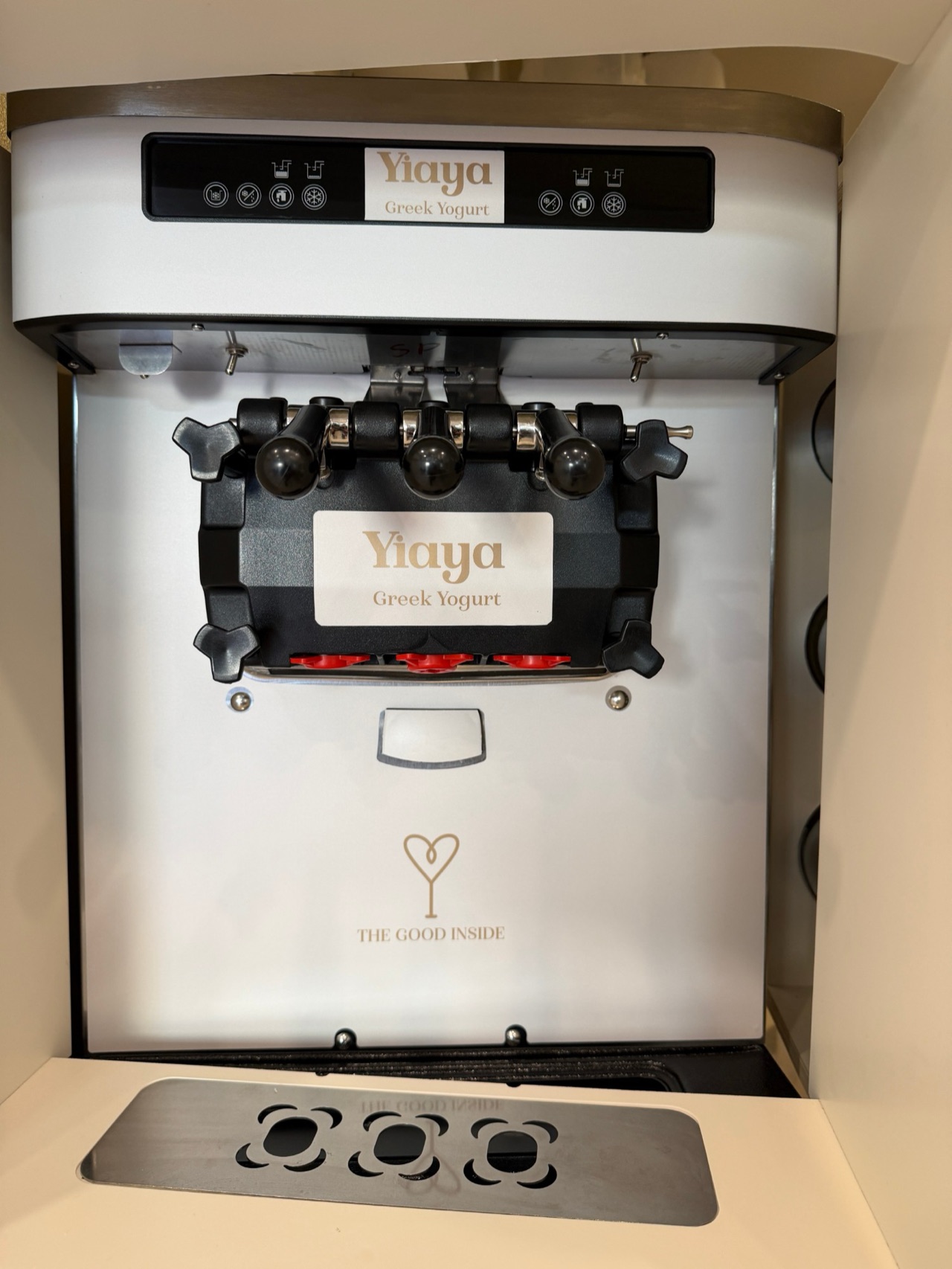
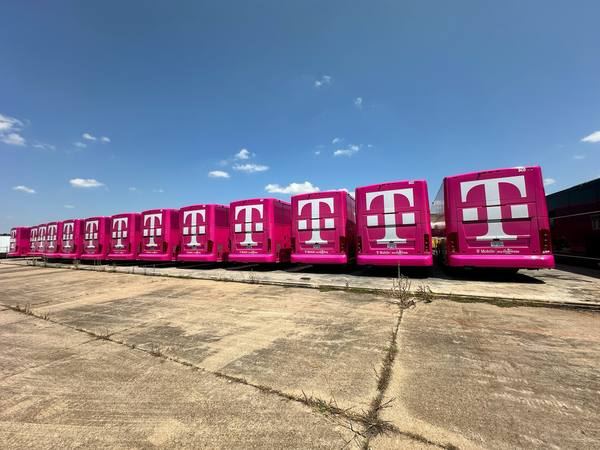
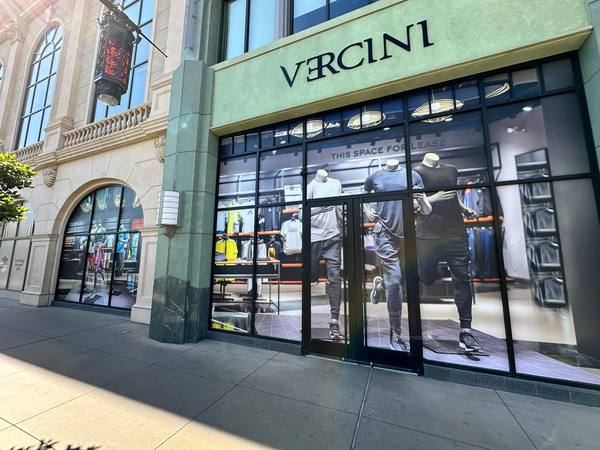
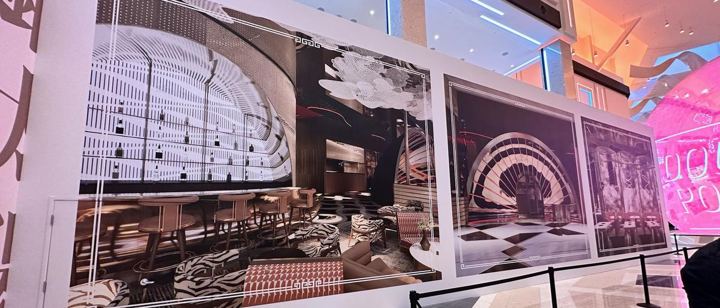
Every job is photo-documented before and after. A few from the portfolio.
If your city isn't listed, it's still covered. Send the scope and we'll deploy certified installers.
Request a Quote